The Replants Aren't Equivalent
525 young trees for 502 mature ones. The new trees won’t be like today’s canopy for another 30 years.
If your kid is 5 today, they’ll be 35 before BPC has trees like these back.
What we’re losing
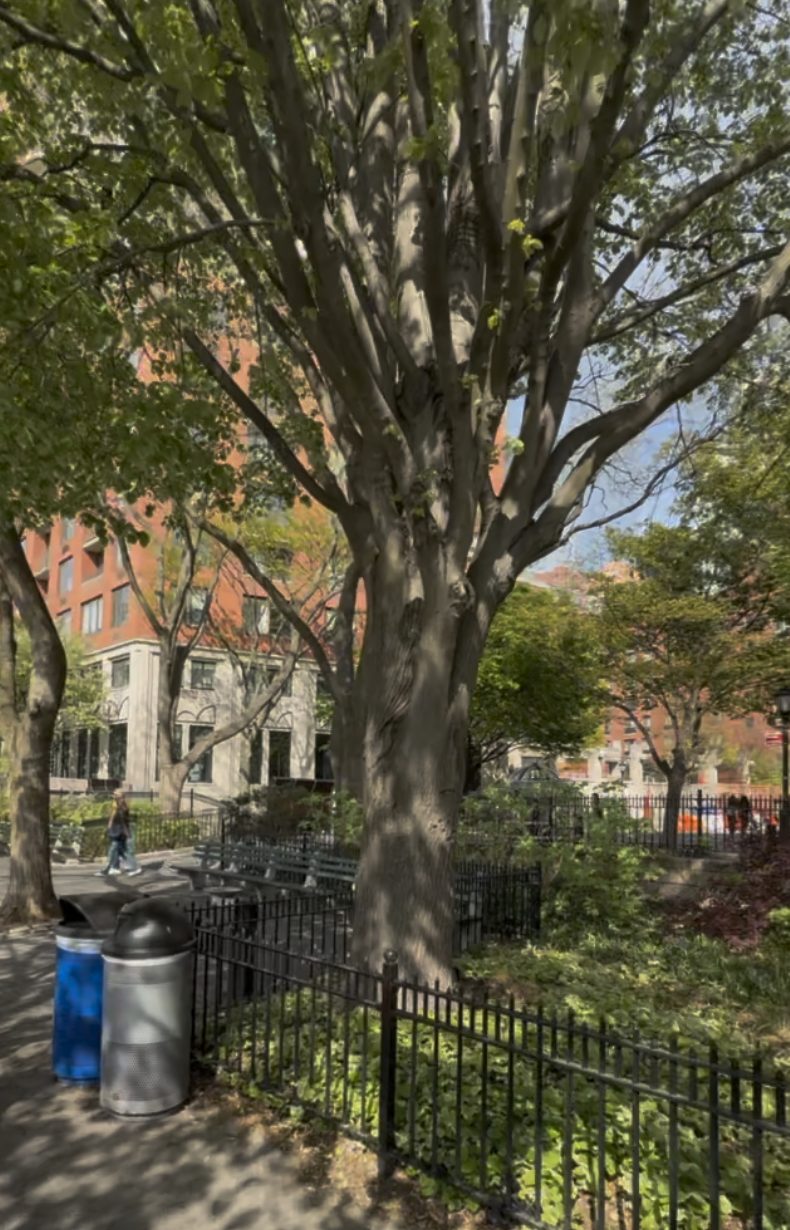
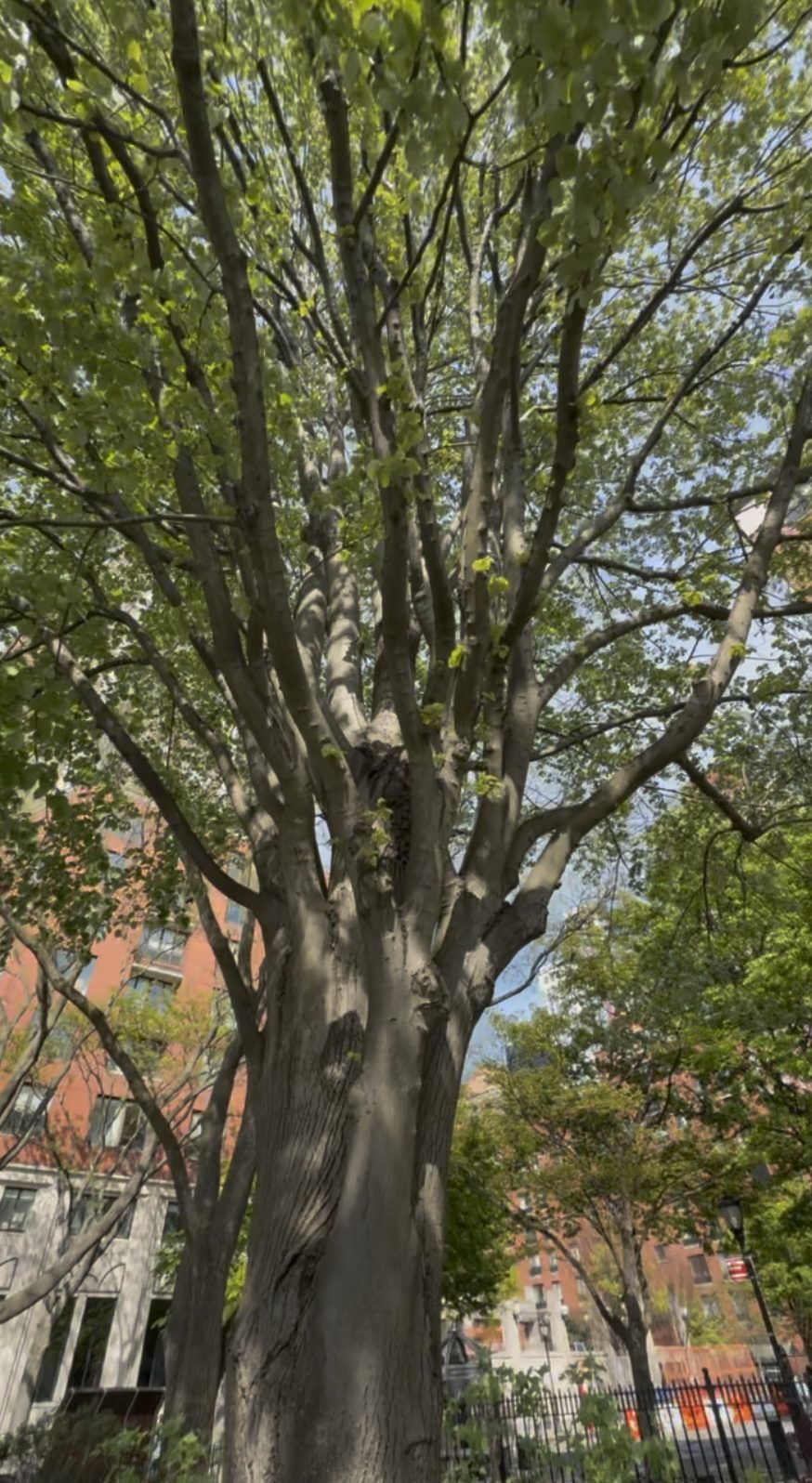
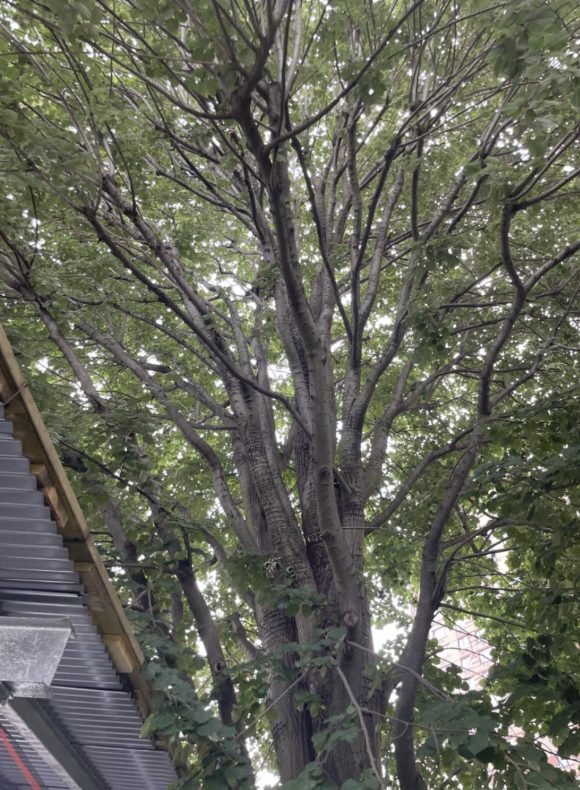
What we’re getting back
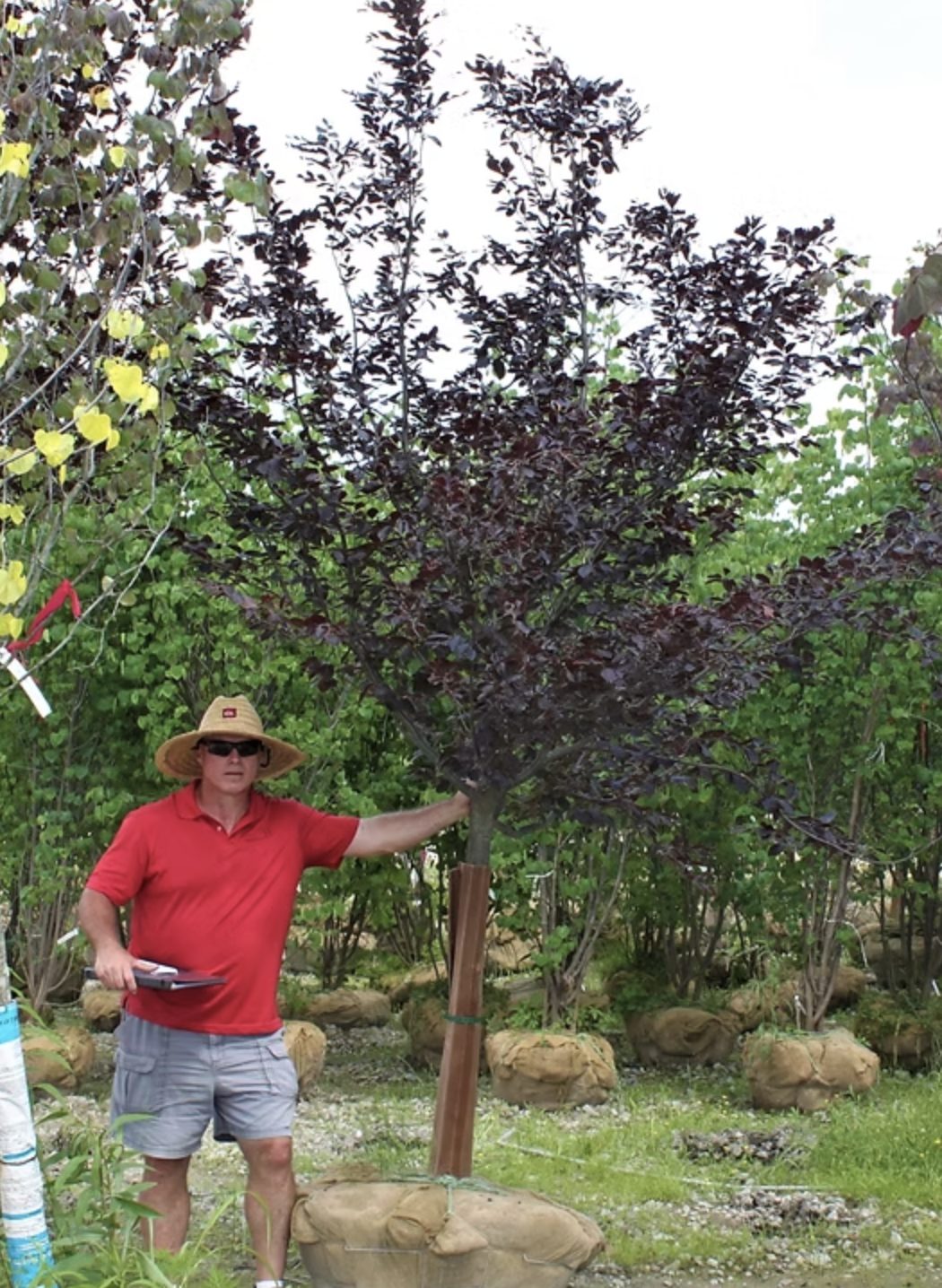
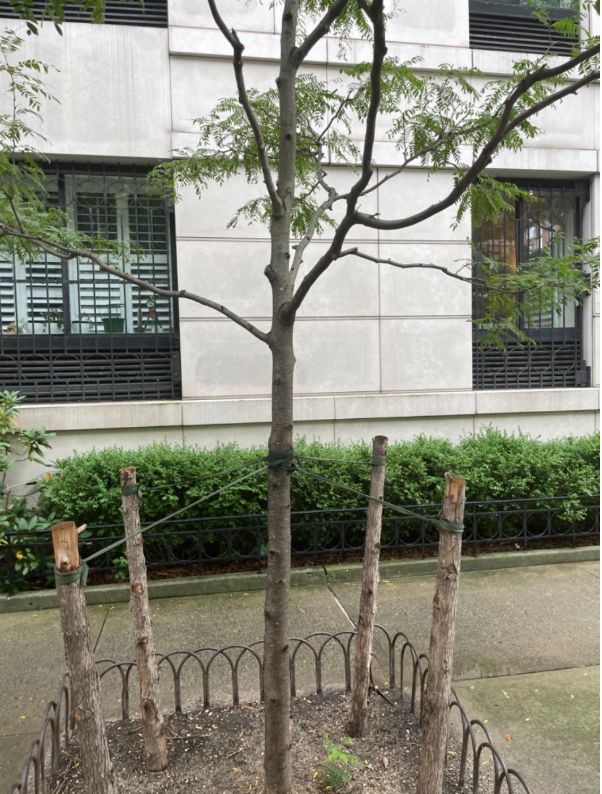
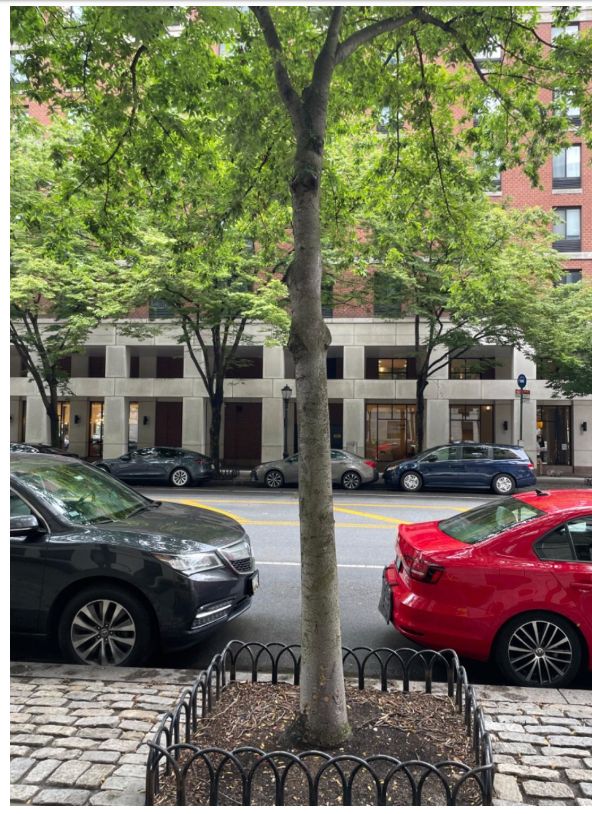
P.S. — Even the largest replant (8″ caliper) is exceeded by 59% of current BPC trees.
The trees being cut took ~40 years to grow. The replants are not equivalent — not for decades, and only if they’re the right species, in the right conditions, and they survive.
A 3-inch replant (two-thirds of the plan) needs ~30 years to reach the size of an average BPC tree today.
An 8-inch replant (the very largest) still needs ~15 years.
We are trading a 40-year-old canopy for trees that won’t catch up until the 2040s and 2050s.
Where these numbers come from
“Caliper” is how thick the trunk is, in inches, when the tree is planted. A 3-inch caliper trunk is about as thick as a wrist. An 8-inch caliper trunk — the very largest the replant plan offers — is about as thick as a dinner plate is wide.
BPCA maintains a live public tree inventory at pg-cloud.com/BPCA (TreePlotter). It records 1,769 BPC trees with measured trunk diameter (DBH).[2] The 93% / 133-of-1,769 / 59% numbers above come directly from that inventory.
Catchup times use an NYC-specific growth rate. Honeylocust — the fastest common BPC species, ~23% of the canopy[3] — grows about 0.36 inches of trunk per year in NYC street conditions.[4] The other 77% are slower species (oaks, lindens) that take 30–50% longer. Weighted across species and adding a few years for transplant shock gives ~30 years for the 3″ replants and ~15 years for the 8″ replants to reach the average BPC tree today.
What we’re asking BPCA to do
- Justify each removal, one by one. For every one of the 502 trees, publish the specific design constraint that made retention impossible — and the alternative considered.
- An independent second opinion. Qualified arborists, flood engineers, and landscape architects with no financial relationship to the design-build contractor.
Take 60 seconds to be counted:
← Back to the campaignSources
- BPCA Construction Updates — bpcresiliency.info: published May 2026 with the “Tree Impacts” section containing the replant-size language quoted above.
- BPCA Tree Inventory (TreePlotter) — pg-cloud.com/BPCA: live public inventory maintained by BPCA. Pulled 2026-05-21: 1,769 trees with measured DBH (above 4″ caliper = 1,646; up to 3.9″ caliper = 133; above 9″ = 1,043).
- BPCA Biodiversity Audit & Urban Tree Canopy Assessment — Executive Summary (Dec 2023): 1,759 living trees, 70 species; honeylocust 23% of canopy.
- Large-scale determinants of street tree growth rates — PLOS ONE (2024): honeylocust ≈ 0.36 inches DBH growth per year in NYC street conditions, derived from the 2005–2015 NYC street tree census.